Liron Ross

Principal Product
Designer & builder

Shaping ideas into 0‑1 experiences that fuel business growth. From strategy and validation to shipped products.

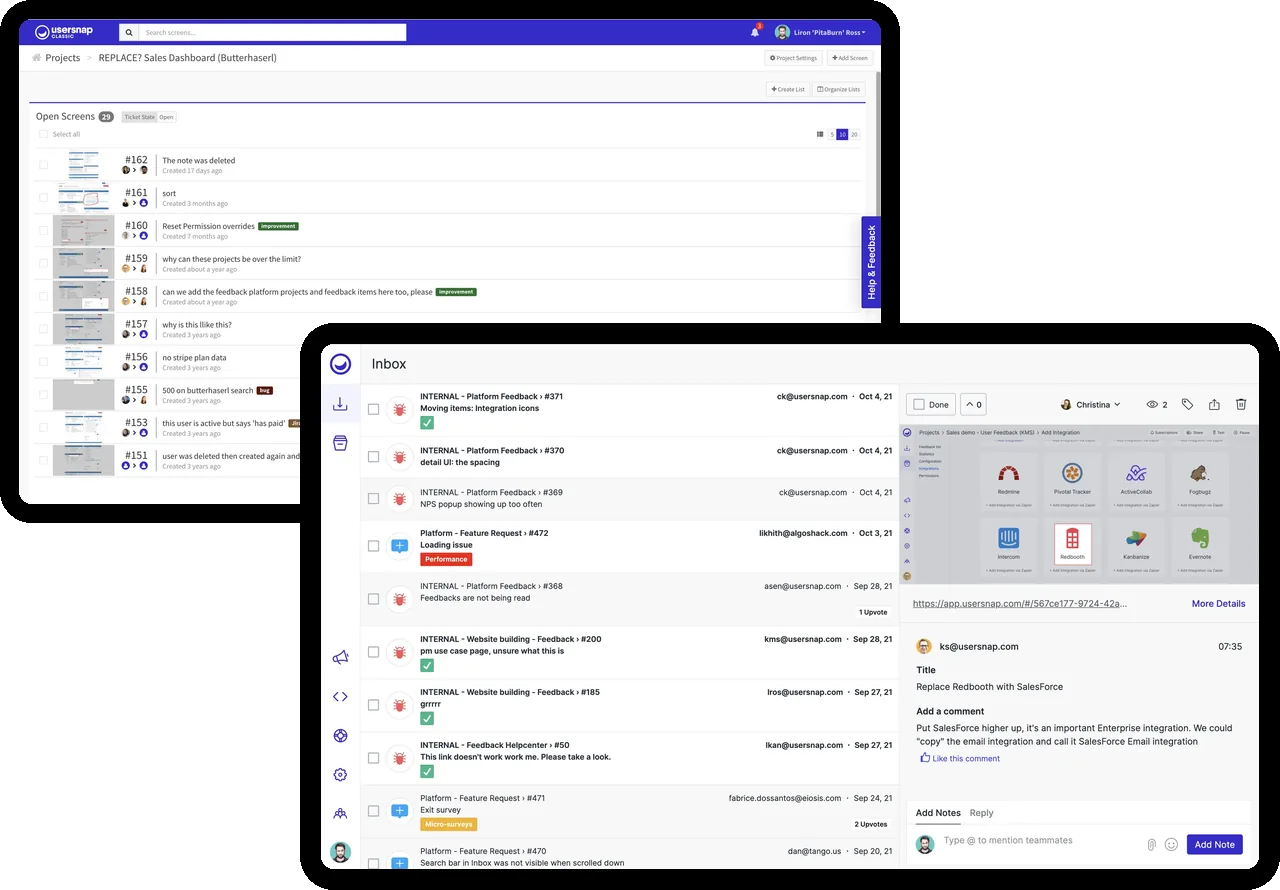
Usersnap pivot to 7-figure acquisition

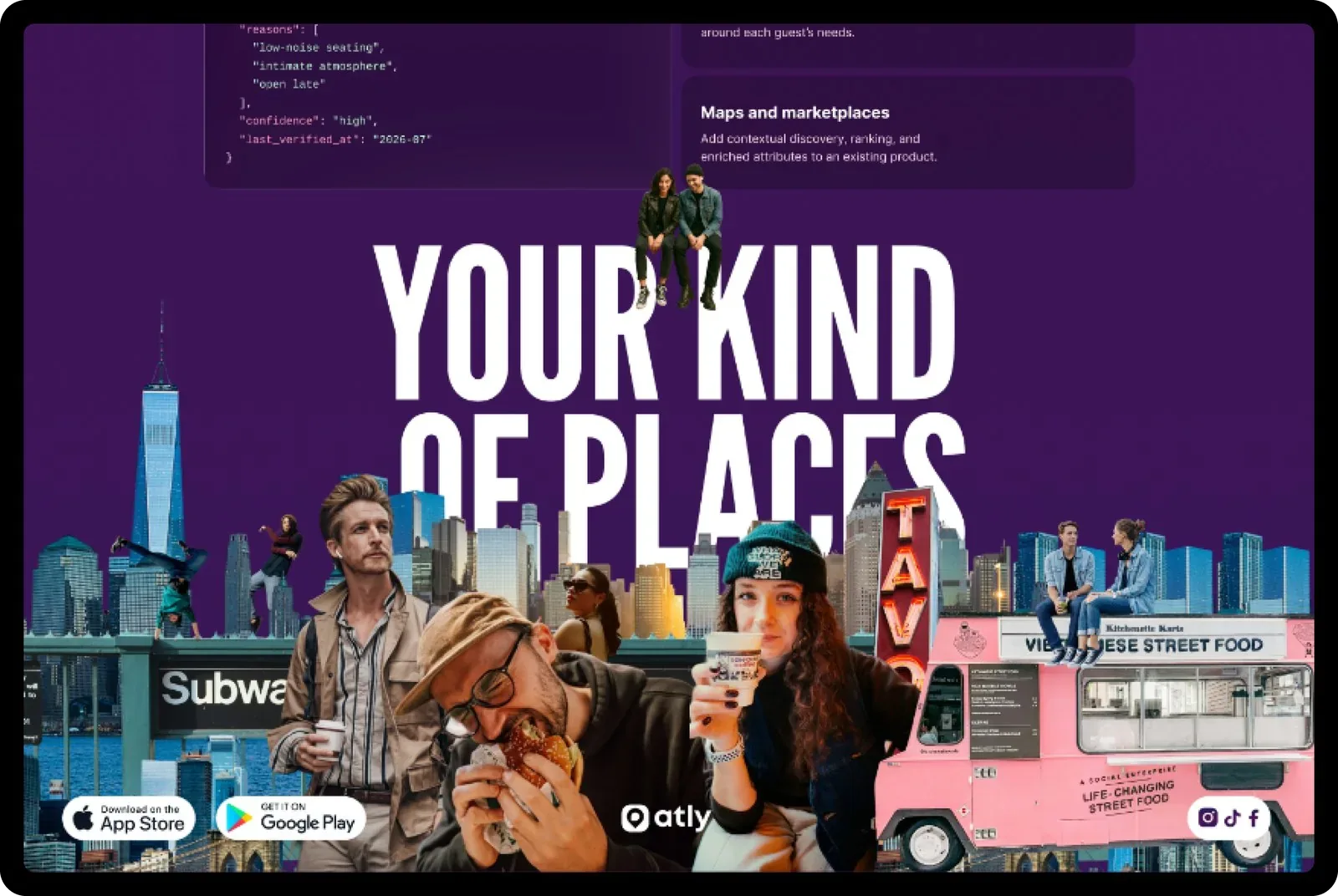
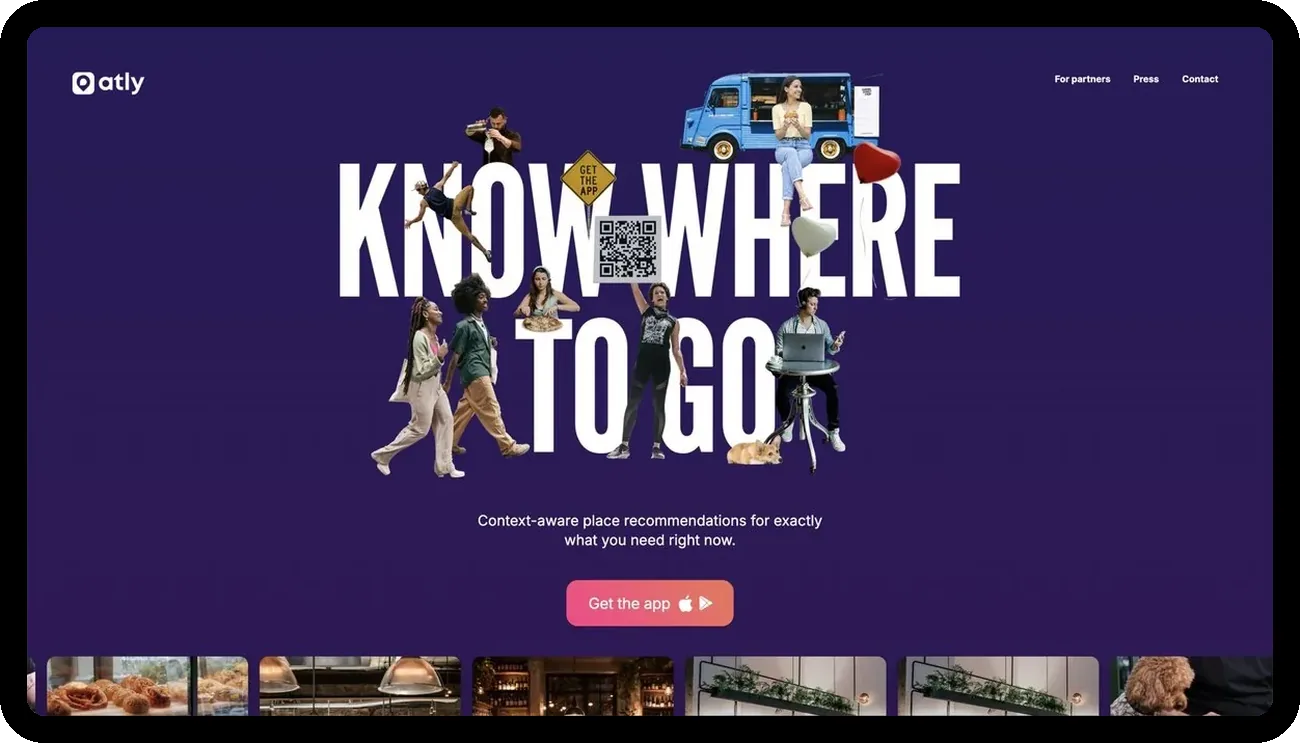
Pre-revenue Atly to $3M ARR

35% checkout conversion lift

Workflow

  1. Define goals / metrics
  2. Validate the problem
  3. Prototype
  4. Ship
  5. Measure
  6. Iterate
Define the outcome

Before deciding what to build, the problem, desired user behaviour, business outcome and success measures are clearly defined. This gives the team a shared basis for making decisions.

Research

Prior to determining the development direction, it's essential to conduct thorough user research. This involves defining user personas, identifying market strategies, and recognizing opportunities and advantages. By establishing these elements, the team can align on a clear foundation for informed decision-making.

Ship, measure and decide

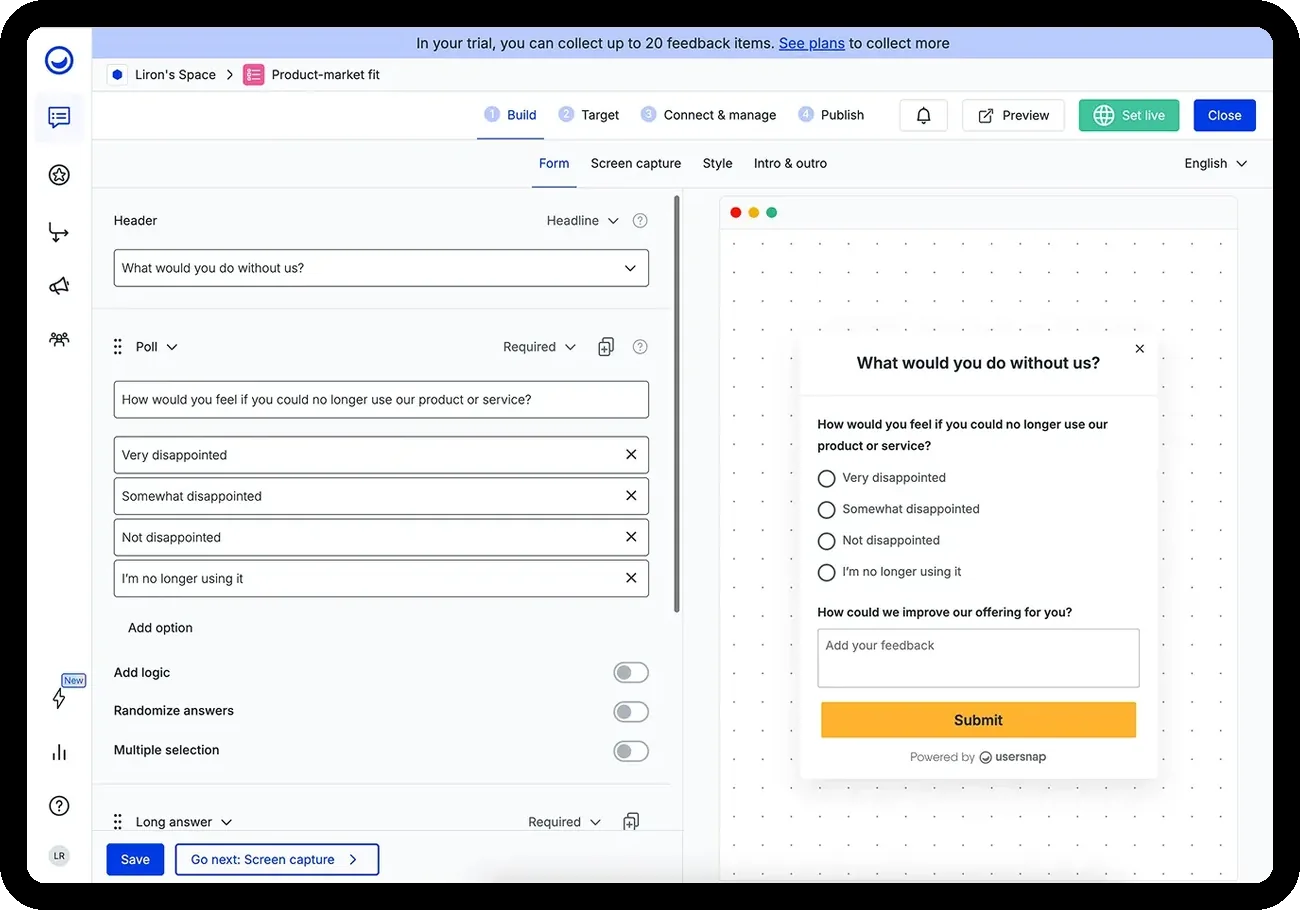
Small cross-functional teams work through iterative delivery: prioritising the highest-value opportunities, shipping in testable increments and using qualitative and quantitative evidence to decide what to improve, expand or stop.

Experiments

Experience and capabilities

Product leadership
A decade leading small design teams and working directly with founders, product managers and engineers. Responsibilities have ranged from strategy and prioritisation to critique, facilitation and hands-on delivery.
Product management
Running product delivery in agile and Scrum teams alongside engineers and stakeholders: roadmapping and prioritisation, backlog refinement, user stories and acceptance criteria, sprint planning, reviews and retrospectives. Design works a sprint ahead of development, so validated work is ready when engineering picks it up. Setting goals and success metrics, then measuring every release through experimentation, A/B testing and product analytics to decide what comes next.
Product design and systems
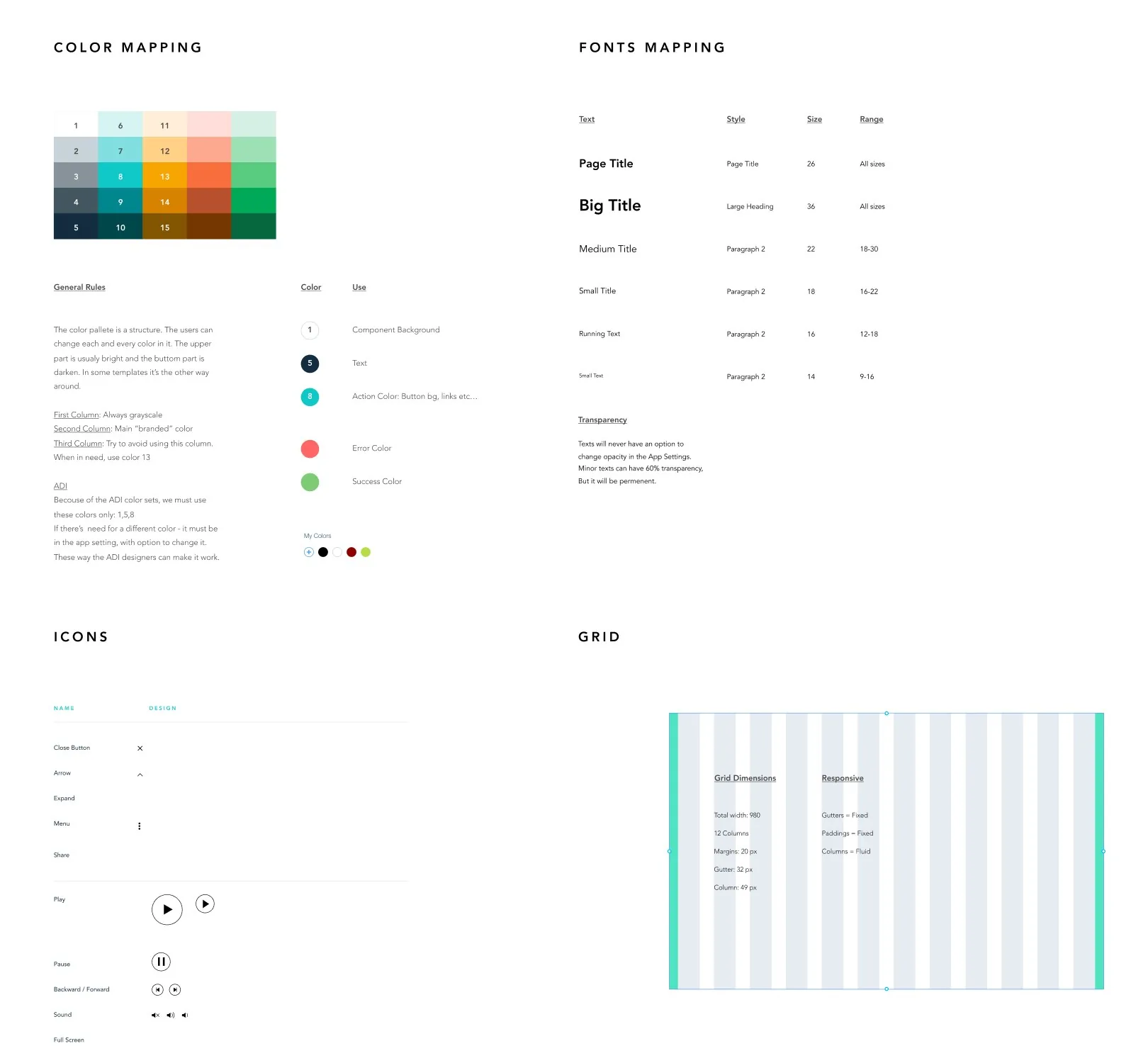
UX, interaction design, information architecture, design systems, responsive interfaces and production-grade prototyping.
Strategy and discovery
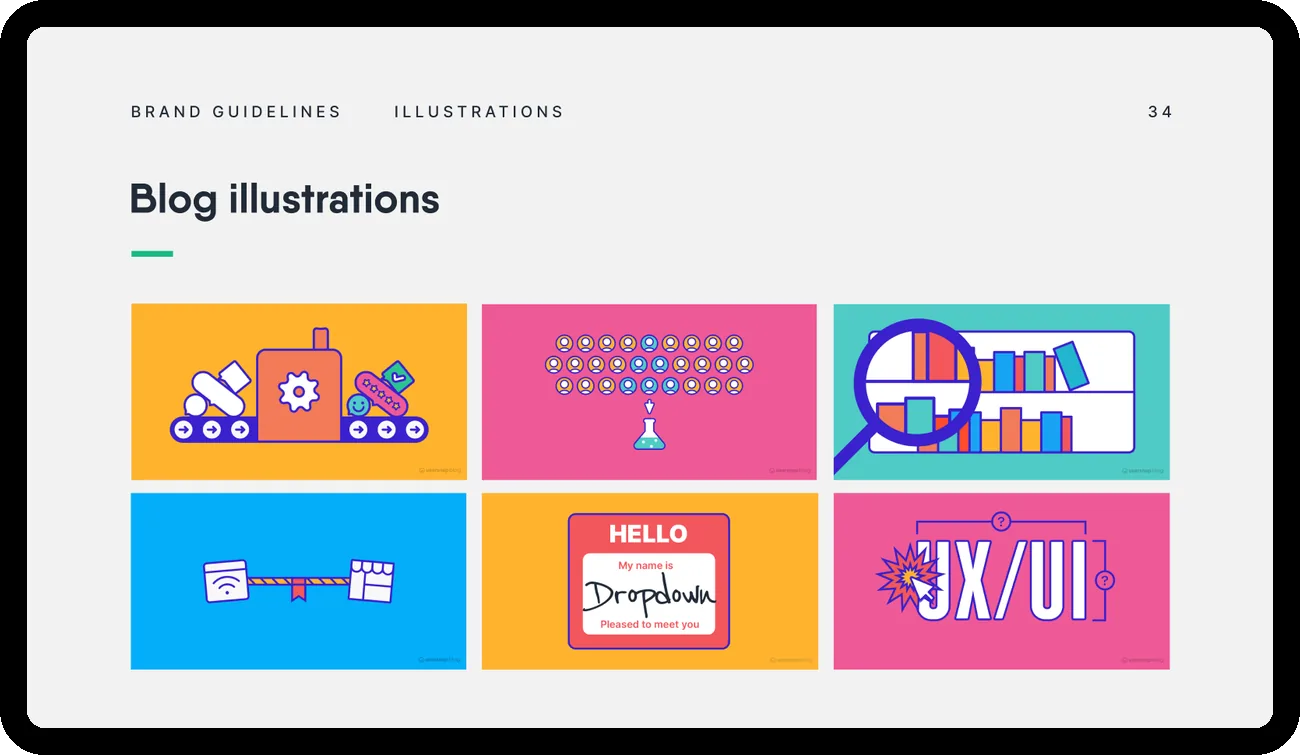
Finding product–market fit, defining the product's offering and positioning, shaping brand identity, and setting a clear vision and mission. Grounded in user research, market analysis, design sprints and rapid validation before anything is built.
AI-native prototyping
Claude Code, Codex, Anthropic API, agentic workflows and custom tooling used to move quickly from an idea to testable, working software.
Technical delivery
Hands-on with HTML, CSS, JavaScript, TypeScript, React and SVG on the front end; Vercel, Supabase, Postgres, serverless functions, REST endpoints and realtime systems on the back end; and Git, GitHub, Figma, Node, Python and Xcode to move independently from idea to working software.